Illustrative case study. This is a fictionalised example created to show how a dispute can move through a structured process. The people, property and details are invented. It is not a real case and does not describe any real person.
Background
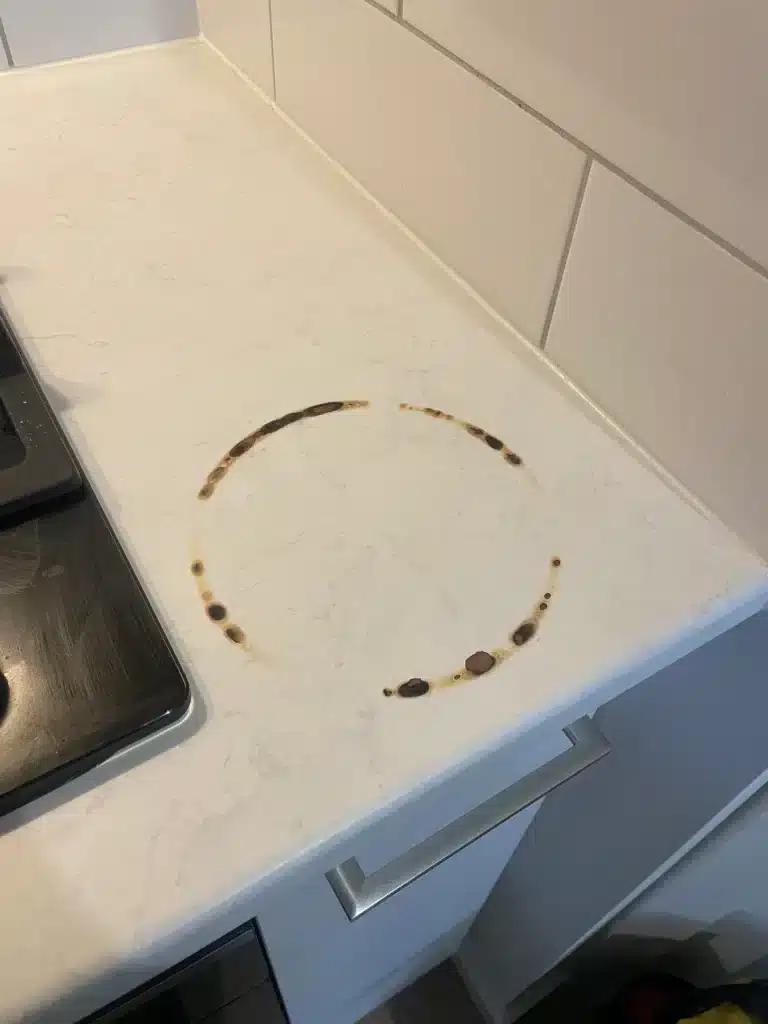
Dana rented a two-bedroom flat from Marcus for three years. When she moved out, Marcus proposed deducting the cost of replacing a kitchen worktop, which he said had a large burn mark and deep cuts. Dana agreed the worktop was marked, but said much of the damage was there when she moved in.
Stage 1: Report
Marcus submitted a structured report describing:
- The tenancy dates and the property
- The damage: a burn mark about 10 cm wide and several deep knife cuts
- The cost claimed: a full replacement worktop
What the report did not do: it did not change Dana's RR Score. A report is a first-hand account, not a finding.
Stage 2: Evidence
Marcus attached:
- Check-out photos showing the burn and cuts
- A replacement quote
- The check-in inventory
The check-in inventory recorded the worktop as "good condition, minor surface scratches near sink".
Stage 3: Response
Dana responded. She:
- Accepted that the burn mark happened during her tenancy — a hot pan placed down by mistake
- Disputed the cuts, attaching her own move-in photos showing several cuts near the sink
- Pointed out the worktop was already around twelve years old at the start of the tenancy
- Proposed contributing towards a repair rather than a full replacement
Stage 4: Resolution
With both accounts and all evidence side by side, the key facts became clear:
- The burn mark was tenant damage — accepted by Dana.
- Most of the cuts pre-dated the tenancy — supported by Dana's move-in photos and consistent with "minor surface scratches" in the inventory.
- A full new worktop would have improved on the original twelve-year-old one.
The parties agreed that Dana would pay for a professional repair of the burned section, and the rest of the deposit was returned. The Resolution recorded a partial agreement: one part of the claim accepted, the rest not.
What the record shows afterwards
- For Dana: a tenant who accepted responsibility for accidental damage, supported her position with evidence and settled promptly.
- For Marcus: a landlord who raised a legitimate issue, provided evidence and accepted a fair outcome.
Only because the dispute reached a completed Resolution did it become eligible to be considered under the RR Score methodology. The report alone never was.
Lessons
Learn more about how Reputation Records work and the Resolution Centre.