
Trust Case Studies
When Caregiving Crosses Into Financial Abuse
Dad said she was the only one who visited. He was right. That is how she did it.
By Logic05 December 2025 4 min read
People. Companies. A more informed tomorrow.
RRSource helps you see the bigger picture — real experiences, verified information and what happened after the job.
Dad said she was the only one who visited. He was right. That is how she did it.
Pulse Stories are first-person stories written by RRSource. This is not one real person's account: names, places and details are invented, but the events reflect situations documented in public reporting.
My father called her "my angel."
Her name was Lena. She came three mornings a week after Dad's stroke, when I was living six hours away with two jobs and a teenager, and could only visit once a month. She did his shopping. She made the soup my mother used to make, from a recipe she got Dad to describe. She sat with him in the afternoons when she wasn't paid to, and watched the old westerns he loved, and laughed at his terrible jokes.
Every time I phoned, he talked about her. "Lena says the doctor's wrong about the salt." "Lena's boy has an exam." "Lena thinks I should get a new television."
I was so relieved. I was so grateful. I sent her flowers at Christmas.
It was a letter about his heating bill that made me look. The direct debit had bounced. Dad had worked forty-one years as an electrician and had never missed a payment in his life.
I sat in his kitchen with his statements spread across the table where he used to help me with my homework, and I felt the room go cold.
It hadn't been one big theft. It was the small things, first. Cash withdrawals, twice a week, at a machine near Lena's house, not his. Then a new television — delivered to a different address. Then transfers: "loans" for her son's school fees, her car repairs, her mother's medicine. Then his card being used online for things my father would never have bought. And six months earlier, a change: Lena had been added as a trusted contact on his account, "to help with the bills."
In fourteen months, more than half of his savings had gone. The money he'd put away for his own care. The money he was going to leave to my son.
I thought the hard part would be confronting her. It wasn't. The hard part was my father.
When I showed him the statements, he didn't look angry. He looked frightened. And then he looked at me with a kind of fury I had never seen from him and said: "She was here. Where were you?"
I had no answer. Because he was right. She had been there. She had filled every empty afternoon I had left. She had made herself the only person who listened to him, and then she had charged him for it, a little at a time, and he had paid gladly because being lonely costs more.
He begged me not to go to the police. He said she was struggling. He said he'd given it to her. He said, very quietly, "Please don't take her away. I don't have anyone else."
We did report it, in the end. The agency she worked for removed her immediately, and later told me there had been "concerns" at a previous family that had "not been substantiated." Nobody had passed that on. Some of the money was recovered. Most wasn't.
Dad lived another two years. I moved closer. I visited every week. He was polite to me, and grateful, and I don't think he ever quite forgave me for being the one who turned the lights on.
I don't hate Lena as much as I thought I would. I hate how easy it was. I hate that her soup was really good. I hate that my father's last real friendship was a transaction, and that I was too busy to notice he was starving for one.
The scale: According to the World Health Organization, around 1 in 6 people aged 60 and older experienced some form of abuse in community settings in the past year, and around 6.8% experienced financial abuse. WHO defines abuse of older people as harm occurring "within any relationship where there is an expectation of trust." It is widely under-reported, often because the person harmed depends on, or cares for, the person causing the harm.
Warning signs:
What would have helped: regular, respectful review of accounts with the person's consent; alerts on large or unusual transactions; never allowing carers access to cards or online banking; and a way for concerns from previous families to be recorded fairly, with the carer's response, instead of vanishing. Read how to hire a carer for an elderly parent and learn how Reputation Records work. If you suspect abuse of an older person, contact adult protective or safeguarding services in your area.
Loading comments…

Dating apps were built to make strangers discoverable. AI, reverse-image search, facial recognition and persistent digital traces are making them discoverable in ways many users never intended. For women in particular, the problem is no longer simply whether a dating profile is private. It is whether a photograph, first name or fragment of biography can be connected to a workplace, social account or home life outside the app.

HGV employers can check licences, qualifications, penalty points, CPC training and tachograph compliance. Yet those checks still leave a harder question unanswered: what has this driver actually been like to work with over time? In a high-risk industry built on movement, the gap between legal eligibility and professional reputation may be wider than many employers realise.
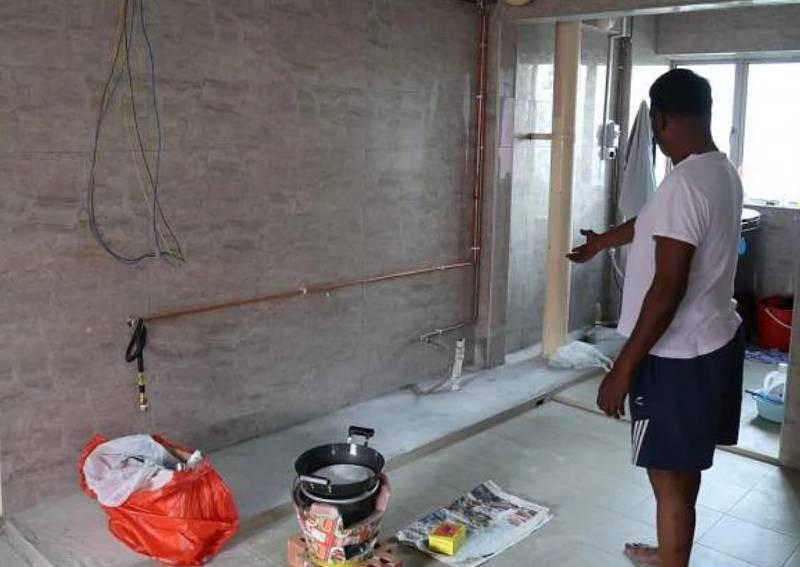
A homeowner pays a deposit, the contractor stops turning up and communication breaks down. This fictionalised example shows how the dispute was documented and resolved.