Reputation · Trust · AI · Leverage · User Opinions
“Sourced for trust.”
Enterprise Trust Reports · 10 min read
AI and the Gatling gun: supremacy is on queue — land and labour were yesterday’s prizes, now it is jobs, money and corporate dominance
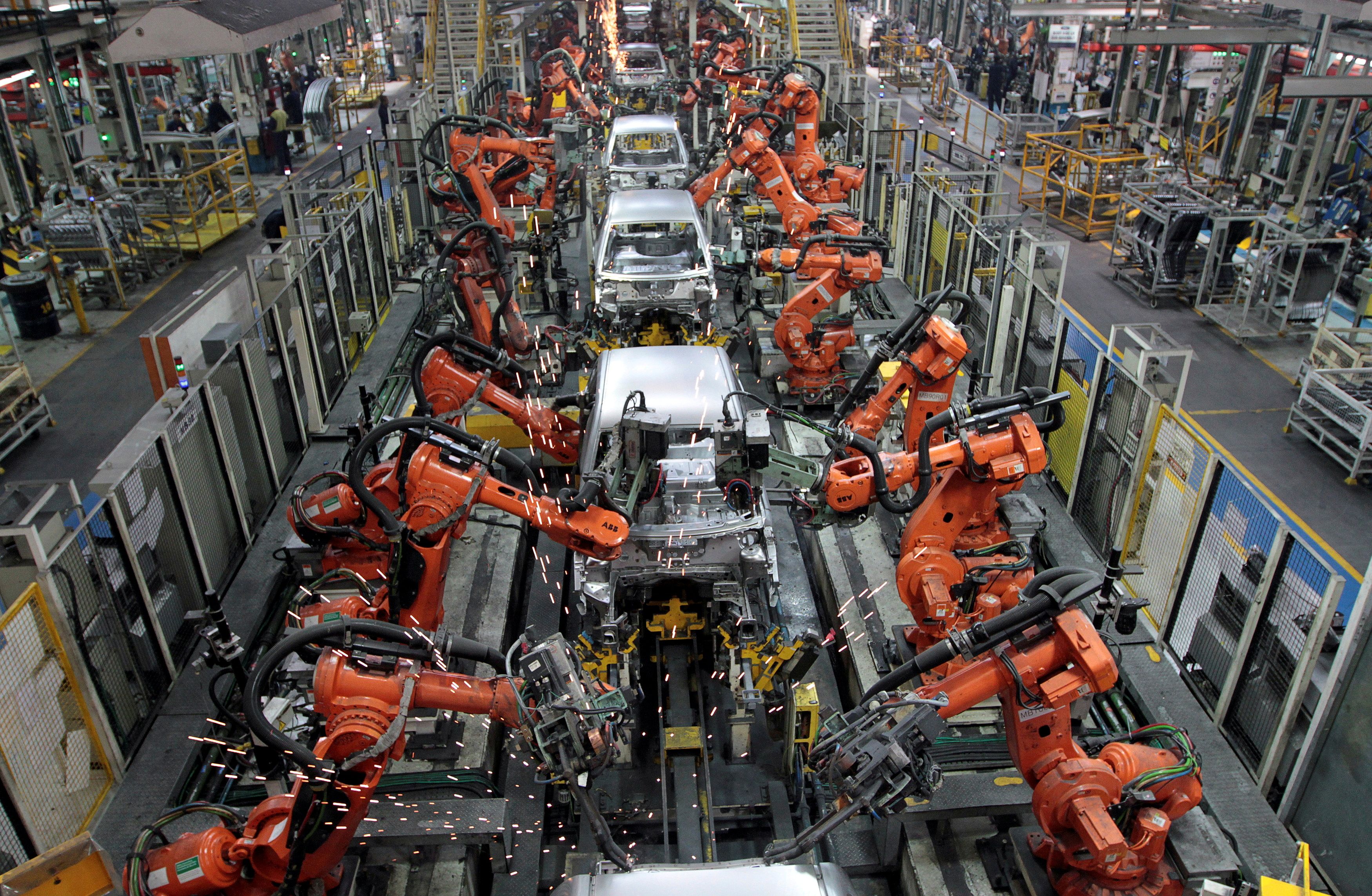
The industrial age rewarded control of land, labour, factories and shipping routes. The AI age may reward control of something less visible but potentially just as powerful: chips, cloud infrastructure, models, data and the systems through which other countries work and trade. The struggle is no longer only over territory. It is increasingly over who owns the intelligence that can replace labour, redirect profits and determine which companies dominate the next economy.
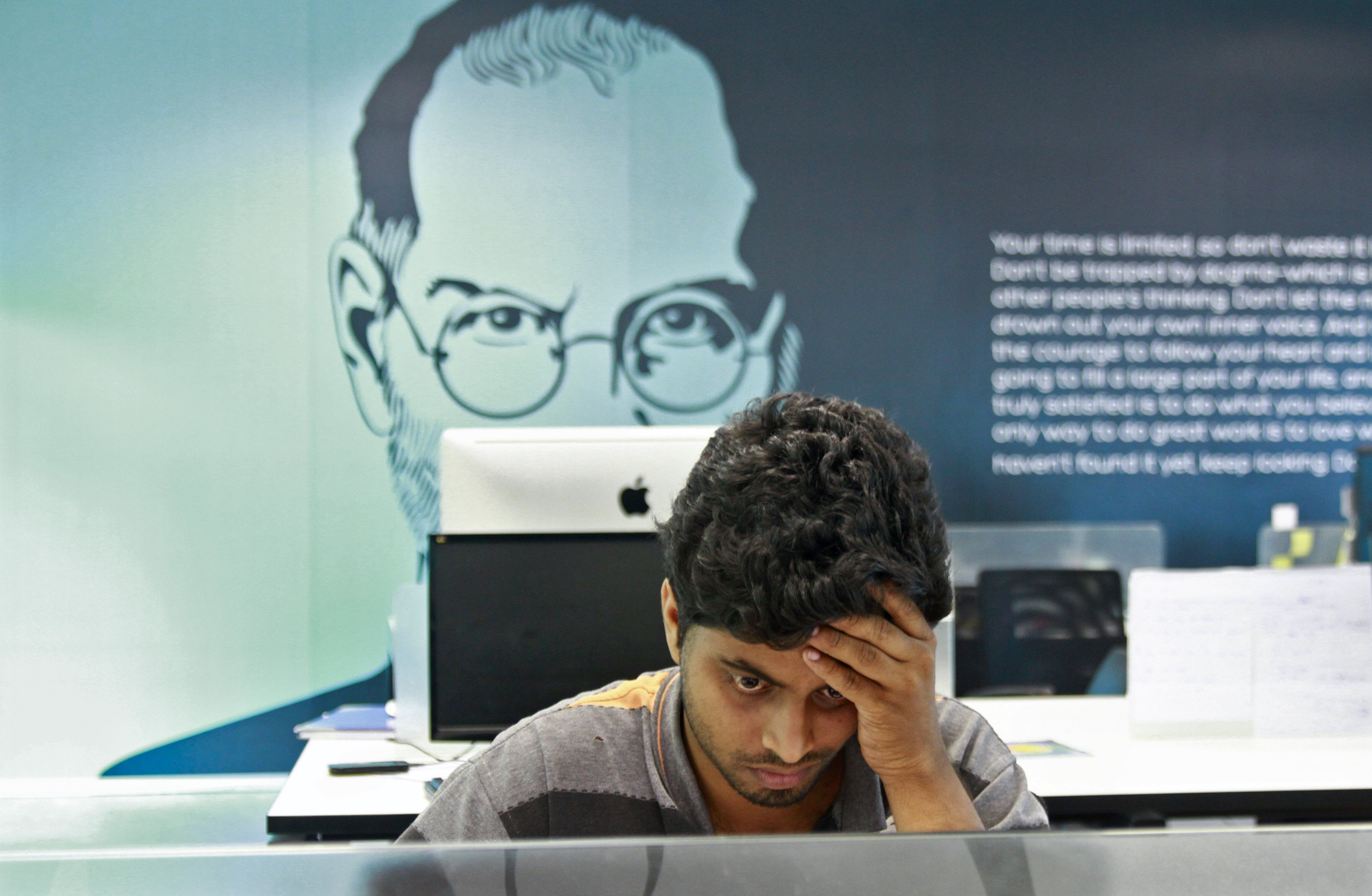
For decades, India built one of the world’s most important export industries by supplying skilled digital labour to Western companies. Artificial intelligence is beginning to challenge that bargain. If software can perform more coding, support, research and back-office work with fewer people, the risk is not simply that India loses jobs. It is that more of the value shifts toward the countries and companies that own the models, chips, cloud infrastructure and capital behind the automation.
Saudi Arabia has spent heavily on defence, alliances and sophisticated weapons, yet the Houthis have repeatedly shown how a far poorer force can create strategic pressure through geography, endurance, missiles, drones and control of critical routes. The lesson reaches beyond Yemen: money can buy capability, but leverage depends on whether that capability can still change the behaviour of the other side.
The Disclosure and Barring Service has launched a new campaign urging parents and carers to look beyond informal recommendations when hiring self-employed workers and personal employees. The move follows rule changes that widened access to Enhanced DBS checks for some eligible workers, but the agency is also stressing that criminal-record information should be only one part of a broader hiring decision.
AI can write your biography, polish your CV, generate a convincing photograph, answer messages in your voice and even construct a synthetic identity. But reputation is supposed to come from something much harder to fabricate: what other people can verify about how you actually behaved over time. As artificial intelligence becomes capable of producing the appearance of credibility, the difference between a manufactured persona and an earned reputation is becoming critical.
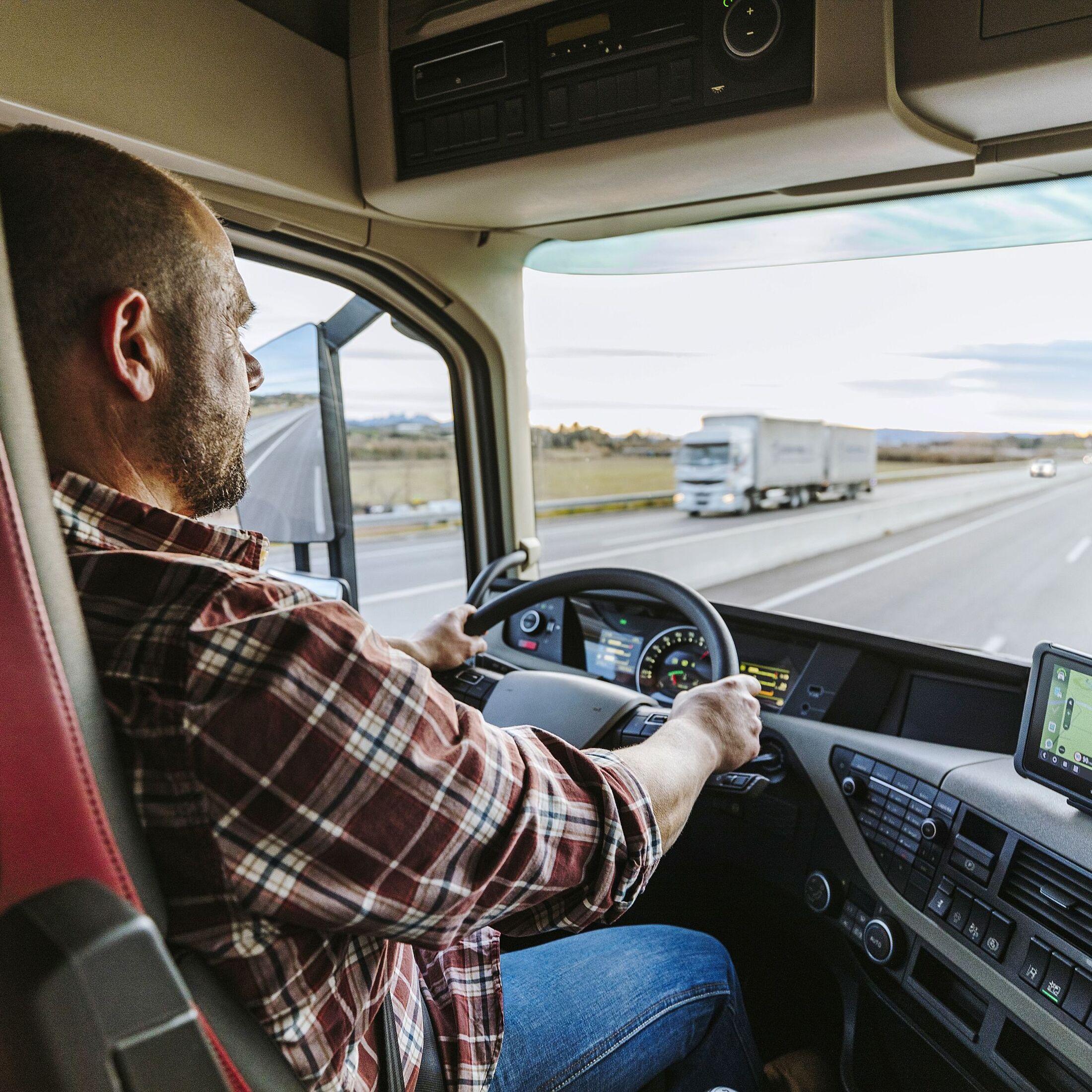
We trust professional drivers with enormous vehicles, valuable cargo and thousands of miles of public road. Their licences can be checked. Their hours can be recorded. Their vehicles can be inspected. But how much of the driver’s actual professional history follows them from employer to employer? The answer exposes an uncomfortable gap between being legally permitted to drive and being genuinely known.
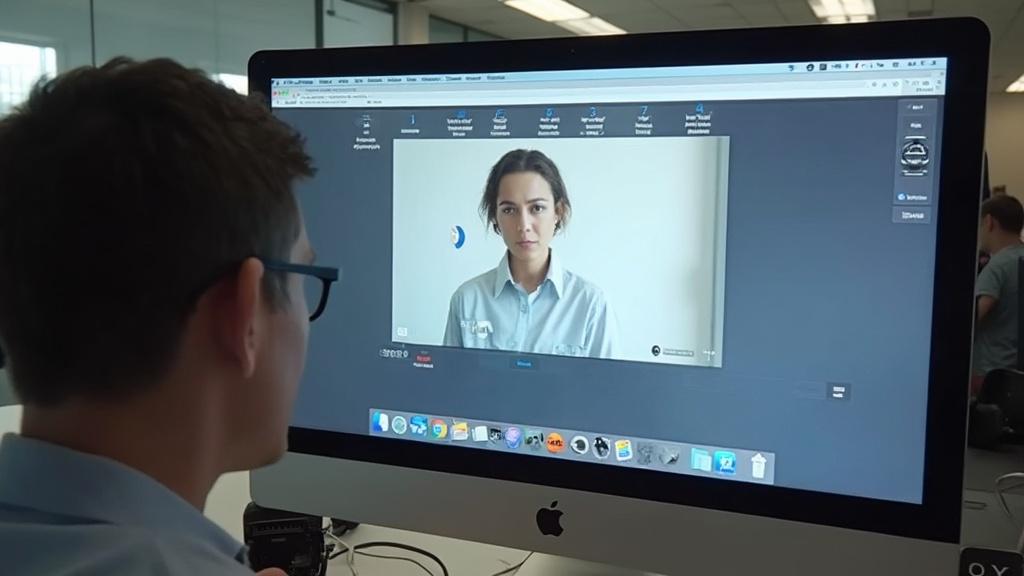
AI has made convincing synthetic images ordinary. Apple’s new Reference Image system is an attempt to restore something photography is rapidly losing: a verifiable connection between an image, a real camera sensor and a specific period in time. But proving where a photograph came from is not the same as proving what happened.